
Products
Compare Rampart Dual Layer Matrix and AmnioAMP-MP
Product framing, use-case fit, handling cues, and a side-by-side comparison table live on a dedicated page instead of being buried mid-scroll.
View productsFor healthcare professional audiences
We rebuilt the site around the way wound centers, podiatry groups, and surgical teams evaluate nextgen biologics: what the portfolio is, why it matters, what evidence supports it, and how to request next steps without hunting through one long landing page.

Navigate by need
Each major topic from the old landing page now has its own destination, so physicians and office teams can move directly to the part of the story they care about most.
Products
Product framing, use-case fit, handling cues, and a side-by-side comparison table live on a dedicated page instead of being buried mid-scroll.
View productsScience
The mechanism story now stands on its own with a clearer pathway graphic and cleaner clinical language.
View scienceClinical evidence
Evidence themes, value-analysis language, and adoption framing are separated into their own review surface.
View evidenceResources
Resource requests now have their own page, which makes the site feel more complete even before every downloadable asset is finalized.
View resourcesContact
Contact details and the sample request form now live on a dedicated page with a clearer response path.
Contact teamPortfolio preview
The core product language from the old landing page is still here, but now it is staged in a cleaner preview before each product gets fuller context on the dedicated products page.

Flagship sheet
A dual-layer dehydrated skin graft alternative designed for chronic wounds that need durable coverage, extracellular matrix support, and more controlled placement over challenging anatomy.
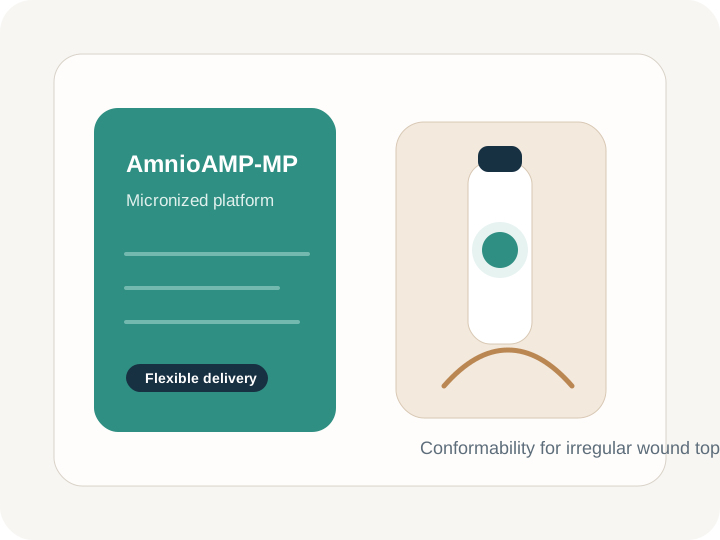
Micronized platform
A micronized amniotic solution for clinicians who need broad biologic coverage, consistent conformability, and smoother workflow integration for advanced wound care pathways.
What changed
The old header logo was a low-quality raster treatment sitting inside a box, and the hero depended on draft-style imagery. The new system uses a vector brand mark, cleaner typography, and more deliberate illustration panels so the site looks polished even before final photography is approved.
The header mark is now a crisp SVG, so it scales cleanly and stops feeling blurry or stretched.
The landing page guides visitors into dedicated pages instead of forcing every message into one scroll-heavy document.
Cards, section pacing, and page-specific art give the brand a steadier medical-editorial feel.
Next step
Start with product fit, jump into evidence, or send a request directly to the team. The new site structure is designed to move people toward that decision faster.
Rampart Dual Layer Matrix and AmnioAMP-MP — compare formulations, indications, and clinical data.
Understand the mechanism of action, histology processing, and clinical study results.
Wound-type guides, evaluation checklists, and clinical decision frameworks.
Biologics market trends, FDA compliance updates, and wound care best practices.
Peer-reviewed outcomes, healing rate data, and reimbursement guidance.
Request product samples, schedule a consultation, or speak with a clinical specialist.
Connect with our clinical specialists to explore next-generation solutions for your clinical or research needs.
Request a Consultation